


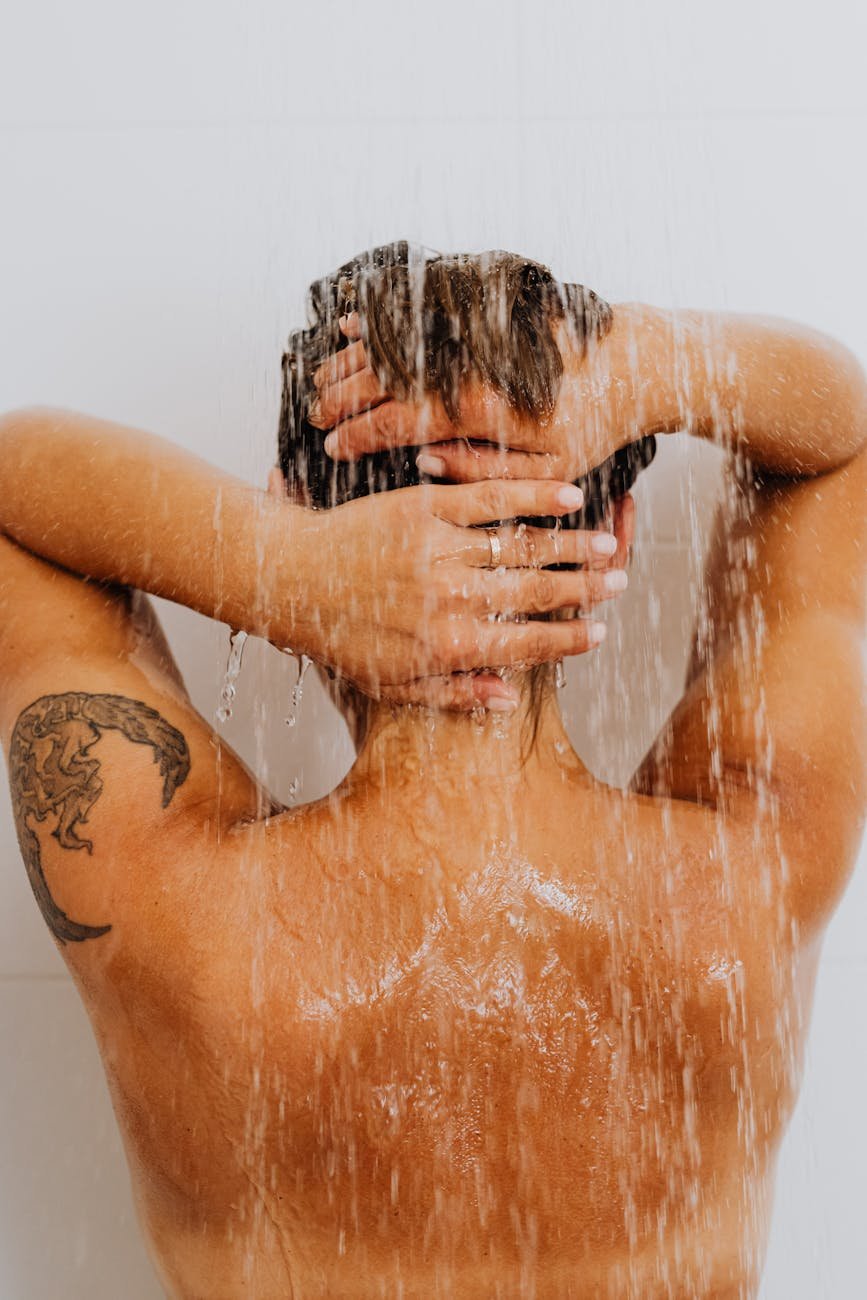
We often talk about choosing the right shampoo, avoiding harsh chemicals, and nourishing the scalp—but there’s one overlooked factor that can affect your scalp and hair health every single day: water temperature.
As a trichologist and scalp therapist, I often see seasonal hair loss worsen during the colder months, and one of the key culprits is hot showers. Understanding the relationship between water temperature and scalp health can make a big difference in reducing hair shedding and maintaining a balanced scalp—especially during winter.
🔥 The Problem with Hot Water and Hair Loss
Hot showers might feel comforting on a chilly day, but they can be harmful to your scalp and hair follicles.
Here’s how hot water affects your scalp:
- Strips natural oils
Hot water dissolves sebum, the natural oil that protects and moisturizes your scalp. This can lead to dryness, flakiness, and irritation. - Weakens hair strands
Heat causes the hair cuticle to open excessively, making strands more porous, brittle, and prone to breakage. - Inflames the scalp
For sensitive or inflamed scalps, hot water can worsen redness and itchiness, aggravating hair thinning conditions. - Disrupts the scalp barrier
Excessive heat can disturb the microbiome and protective barrier of the scalp, leading to imbalances and potential hair loss over time.
❄️ Why Winter Makes It Worse
In winter, your scalp is already under stress due to:
- Indoor heating (dry air)
- Cold wind exposure
- Reduced blood circulation to the scalp
- Hotter showers to compensate for the cold
All of this can result in a dry, flaky, or inflamed scalp, contributing to seasonal hair shedding and worsening underlying scalp issues.
💧 What’s the Ideal Water Temperature?
The best temperature for scalp and hair health is lukewarm water—around 37°C (98.6°F), similar to your body temperature.
Why lukewarm is best:
- Opens the cuticle slightly for effective cleansing
- Doesn’t strip essential oils
- Keeps scalp calm and balanced
- Supports healthy blood circulation without irritation
You can finish your rinse with cool (not cold) water to help seal the cuticle and add natural shine.
✅ Practical Tips for Healthy Hair Washing in Winter
- Start Warm, End Lukewarm
Use warm water to cleanse, then switch to lukewarm or cool water for the final rinse. - Keep Showers Short
Limit exposure to hot water. 5–10 minutes is enough for hair washing. - Use a Scalp Towel Wrap Post-Shower
Gently pat your hair dry with a soft towel—don’t rub. Use a microfiber towel or cotton wrap to reduce friction. - Apply a Leave-In Tonic or Serum
After towel-drying, apply a scalp tonic to rehydrate and protect the scalp barrier—especially if you’re using indoor heating. - Invest in a Shower Thermometer
This small tool can help you track your water temperature and avoid overheating your scalp. - Hydrate from the Inside
Don’t forget to drink warm water throughout the day. Winter dehydration can also dry out the scalp and reduce sebum production.
🧖♀️ How We Support Scalp Health at Our Clinic
At K Scalp Care & Head Spa, we pay attention to every detail—from the water temperature during scalp cleansing to the post-treatment hydration step. During winter, we use:
- Herbal infusions warmed to safe, scalp-friendly temperatures
- Sound wave massage instead of hot manual massage
- Balancing serums that protect and strengthen the scalp barrier
This gentle yet effective approach helps reduce inflammation, prevent seasonal shedding, and support healthy hair growth.
Final Thoughts
Something as simple as your shower temperature can have a significant impact on your scalp health. If you’re noticing more hair fall during winter, adjusting your water temperature and shower routine may be the easiest first step toward recovery.
✨ Healthy hair starts with a healthy scalp—and small daily habits matter more than you think.
Book a professional scalp consultation or head spa session at K Scalp Care & Head Spa to support your hair from root to tip this winter.
