


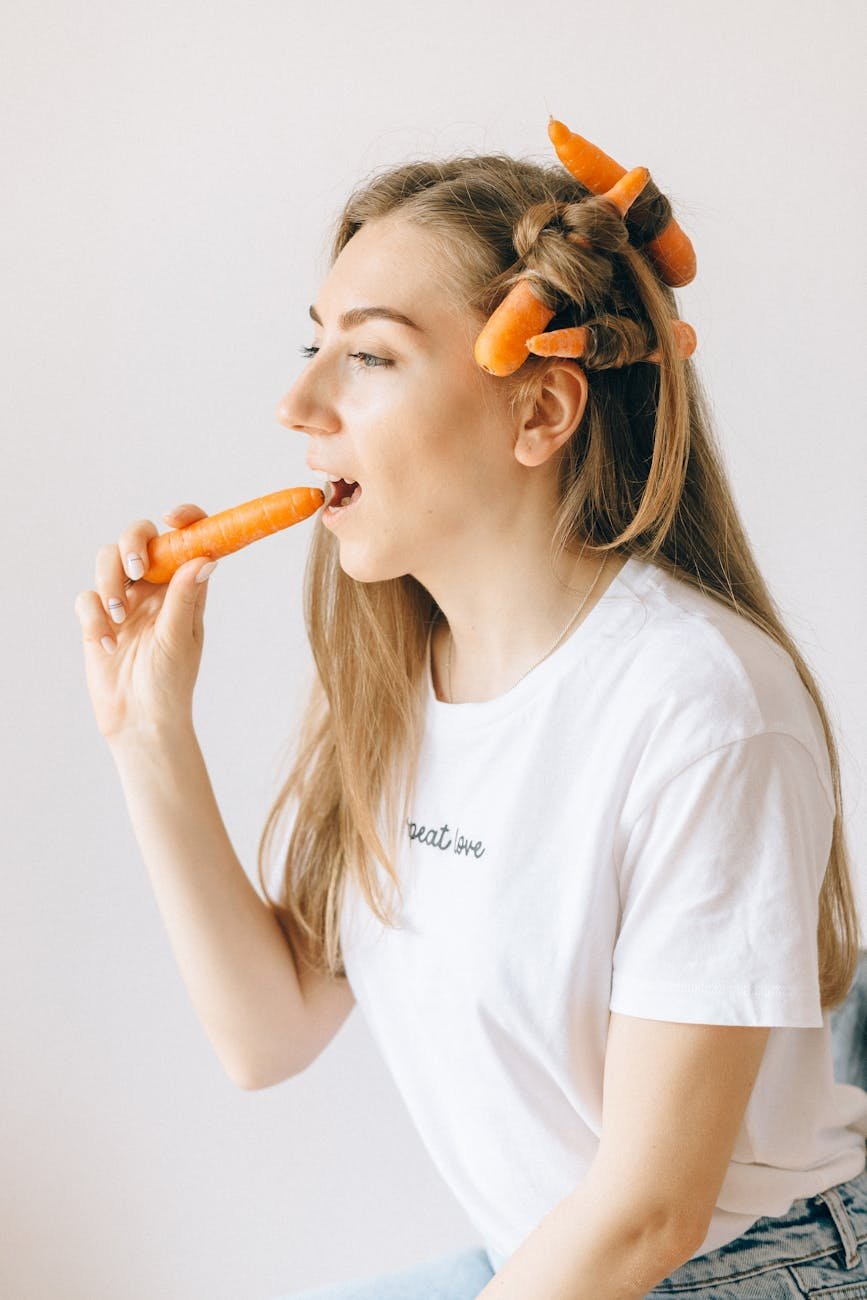
When it comes to healthy hair and a balanced scalp, most people immediately think of shampoos, treatments, or scalp massages. But one of the most powerful tools for hair and scalp health isn’t found in a bottle—it’s on your plate.
As a trichologist, I often remind my clients that scalp health starts from within. Just like your skin, your scalp is sensitive to nutrient deficiencies, hormonal changes, inflammation, and poor diet. If your body isn’t nourished, your scalp—and your hair follicles—will show it.
Here’s how nutrition directly affects your scalp and hair health, and what you can do to nourish them naturally.
Why Your Scalp Needs Proper Nutrition
The scalp is living tissue, full of blood vessels, nerves, and oil glands. It supports over 100,000 hair follicles, each requiring constant nutrients to function properly.
When your diet lacks certain vitamins, minerals, or essential fatty acids, you may start to notice:
- Excessive hair shedding
- Dry, flaky, or itchy scalp
- Slower hair growth
- Thinning or brittle strands
- Increased oiliness or inflammation
Without the right internal support, even the best scalp treatments will be less effective.
Key Nutrients for a Healthy Scalp and Hair
1. Protein
Hair is made of keratin, a protein. Low protein intake can weaken the hair shaft and slow growth.
Sources: Eggs, lean meat, tofu, legumes, Greek yogurt
2. Iron
Iron deficiency can reduce oxygen supply to hair follicles, leading to shedding or thinning.
Sources: Spinach, lentils, red meat, pumpkin seeds
3. Omega-3 Fatty Acids
These healthy fats help regulate scalp oil production and reduce inflammation.
Sources: Salmon, walnuts, flaxseeds, chia seeds
4. Vitamin A
Essential for sebum (natural oil) production, which keeps the scalp moisturized.
Sources: Sweet potatoes, carrots, kale
5. Vitamin D
Helps regulate the hair growth cycle and reduce scalp inflammation.
Sources: Sunlight, fortified dairy, mushrooms
6. Zinc
Supports tissue repair and helps control oil glands. A deficiency may lead to dandruff or hair loss.
Sources: Chickpeas, cashews, oysters, whole grains
7. B Vitamins (Especially Biotin & B12)
Important for energy production and hair follicle strength.
Sources: Eggs, avocado, salmon, leafy greens
What to Limit or Avoid
Certain foods can negatively impact your scalp and hair:
- Refined sugars – Can trigger inflammation and hormonal imbalances
- Highly processed foods – Often lack nutrients and can aggravate seborrheic conditions
- Too much caffeine or alcohol – May dehydrate the scalp and disrupt nutrient absorption
- Crash diets – Sudden nutrient restriction can cause telogen effluvium (sudden hair shedding)
How We Integrate Nutrition Into Our Scalp Therapy
At K Scalp Care & Head Spa, we focus on external and internal healing. During your consultation, we may ask about your diet and recommend simple changes to support your scalp condition. While we offer powerful topical treatments like herbal detox and customised serums, we know true healing is holistic.
We also offer nutritional guidance and can recommend scalp-supportive supplements (when appropriate) to enhance your progress.
Final Thoughts
Your scalp is not separate from your body. It reflects your overall health—and nutrition is one of the most effective ways to support it.
If you’re experiencing ongoing scalp or hair issues, look beyond your products and consider what your body might be missing.
At K Scalp Care & Head Spa, we’re here to guide you on both the outside and the inside. Book your scalp consultation today and take a full-circle approach to healthy hair.
